Geographic Representations in Real-World Projects, paper excerpt, 2026:
The article, In Atlanta, GIS Transforms Data into Community Impact, describes how Invest Atlanta which oversees economic development for the city has used GIS to identify areas to invest in and monitor progress toward area-specific KPIs. The organization uses GIS primarily for economic and social mapping to track affordable housing creation and/ or preservation, support small business growth, and provide financial relief for residents and business owners in the event of barriers such as long delayed construction (something everyone in the city is probably owed as there is never-ending road work). A predominant theme is the accessibility and transparency of data as well- ensuring that the stakeholders in these areas can interact with the GIS platform the city is using and understand what the data reflects.
This social anthropologic use of GIS is reflective of equity and community building, which is an important part of the environmental and sustainability work I hope to do. I want to promote environmental health and human health and having a map of underserved areas provides a valuable resource in order to do both. The geographic scale of Invest Atlanta encompasses 6 Atlanta City Council districts and 87,213.45 acres. This is a large scope yet specifically covers only within the actual City of Atlanta boundaries. While this creates a more dedicated focus for Invest Atlanta projects, it leaves out opportunities to see the greater metro Atlanta area on a larger GIS scale. The benefits of doing so would be to have a comprehensive approach to projects involving city wide infrastructure such as public transportation or electrification.
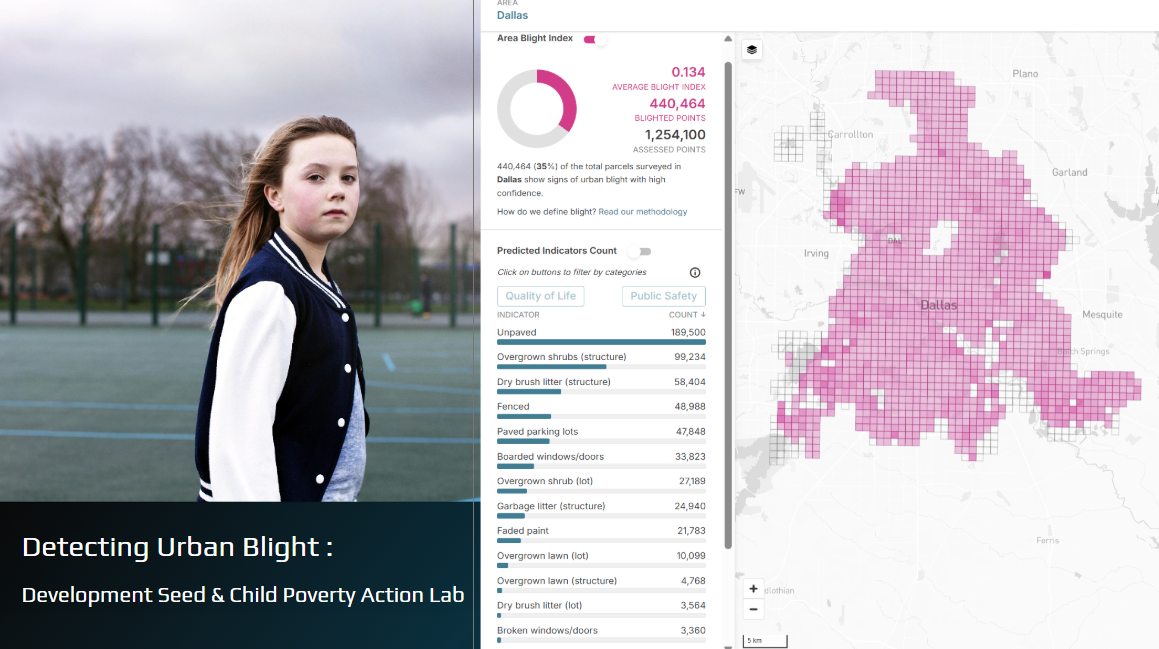
Cross- City Mapping and Insights, presentation sample, 2025: link